Commercial waste is any waste that comes from running a business, whether that is an office, a shop, a building job or the spare room you work from, and it is handled apart from household rubbish.
What counts as commercial waste?
GOV.UK puts it simply: any waste that comes from a commercial activity is business waste, including waste from the part of a home used to run a business, and waste from building and demolition work. It does not go in a household bin. Complete Waste Management collects it from offices, shops and sites.
What counts
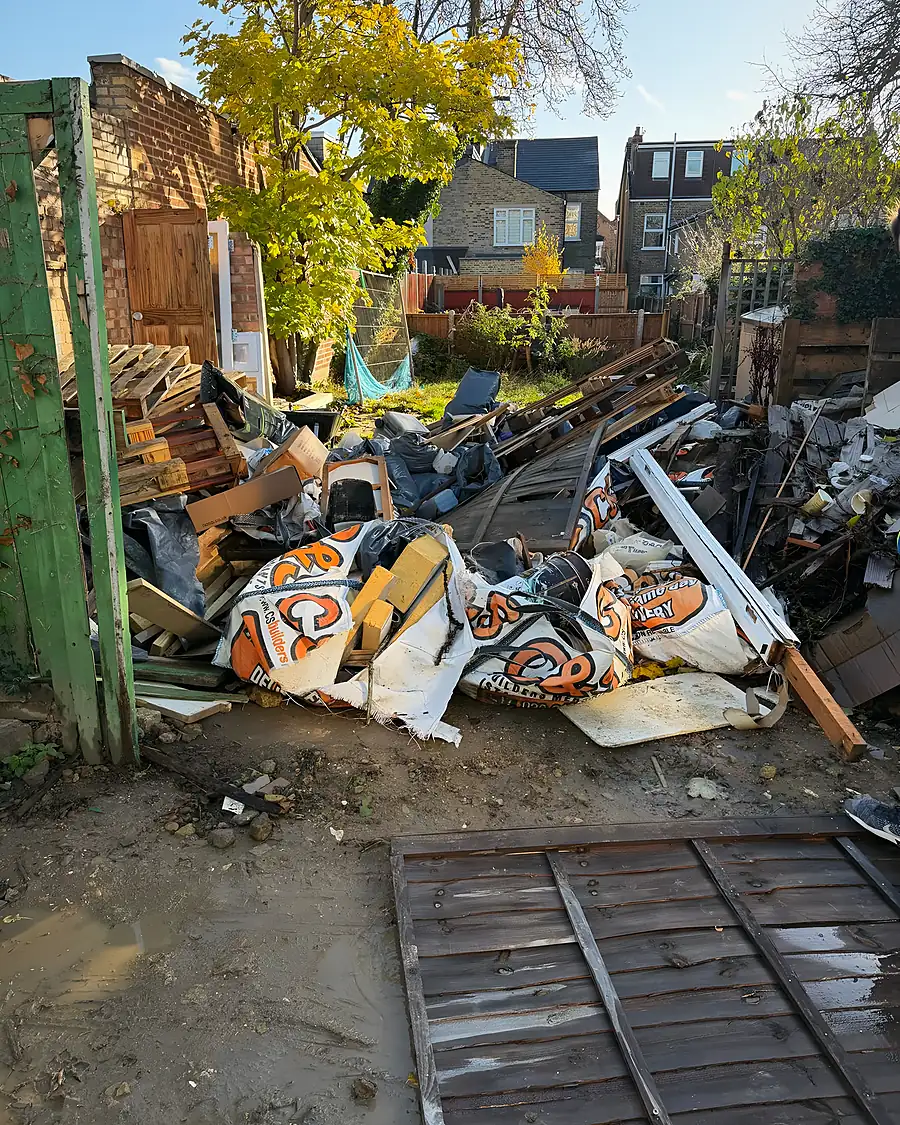
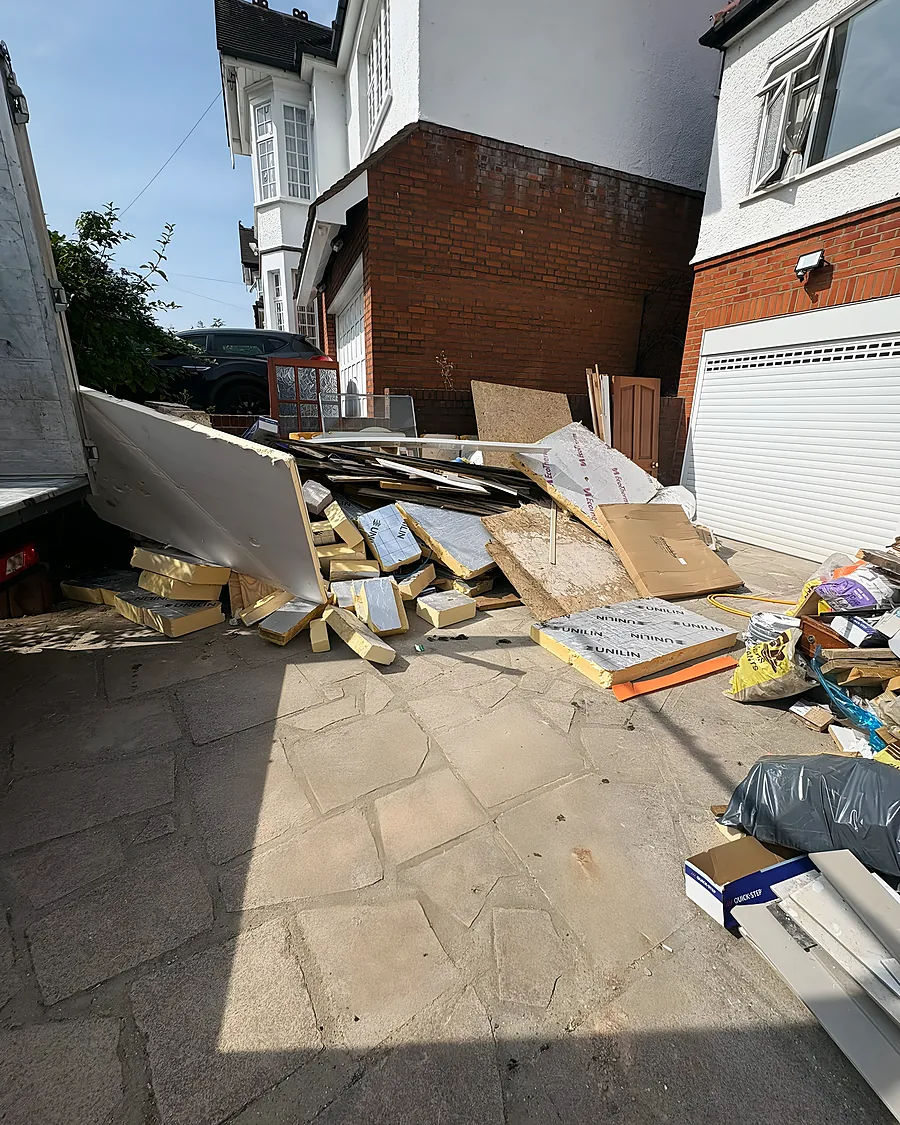
The line is not what the waste is, it is where it came from. A broken office chair is commercial waste; the same chair out of your living room is household waste. The government's guide to managing business waste says that any waste from a commercial activity is business waste, and it names the ones people forget: the part of your home you run a business from, and waste from building work, demolition, industry and farming. So the desks and filing cabinets from an office move are commercial waste, and so are the boxes and shop fittings from a unit that is closing, the offcuts and plasterboard a builder takes out of a kitchen, the old printers and screens from a refit and the paper from a clear-out of the stock room. Where it gets mixed up is the small business at home. If you work from a spare room, the paper, packaging and old kit from that room are business waste, even though the bin outside is your household bin, and they should not go in it.
Why it is kept apart
Household bins and the council's household tips are paid for and run for households. Most will not take waste from a business at all, and the ones that do treat it separately. That is why a business needs someone to carry its waste away, and why the carrier matters.
The paperwork
Every load of business waste goes with a waste transfer note: who it came from, what it is, and who took it. Both sides fill in their part and keep a copy. Before anyone takes your waste, check they are on the government's public register of waste carriers. We are a licensed waste carrier, and a waste transfer note comes with every commercial job.
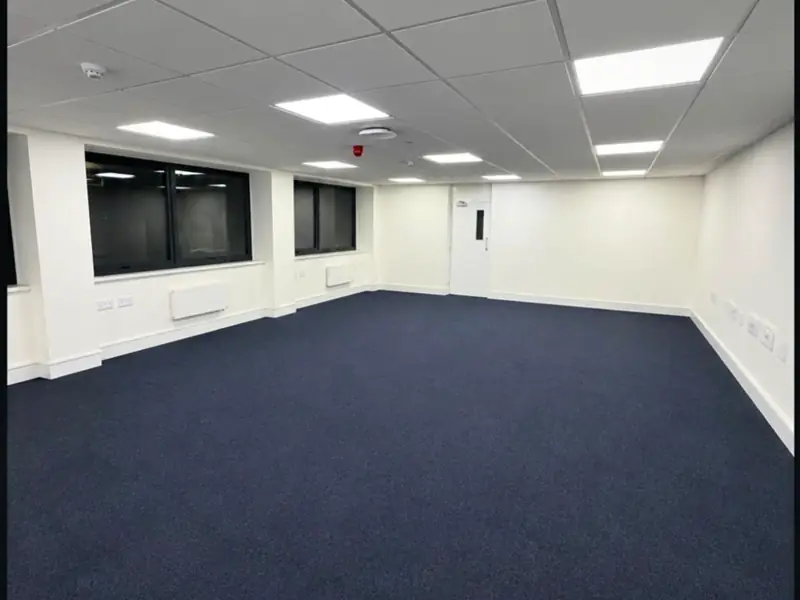
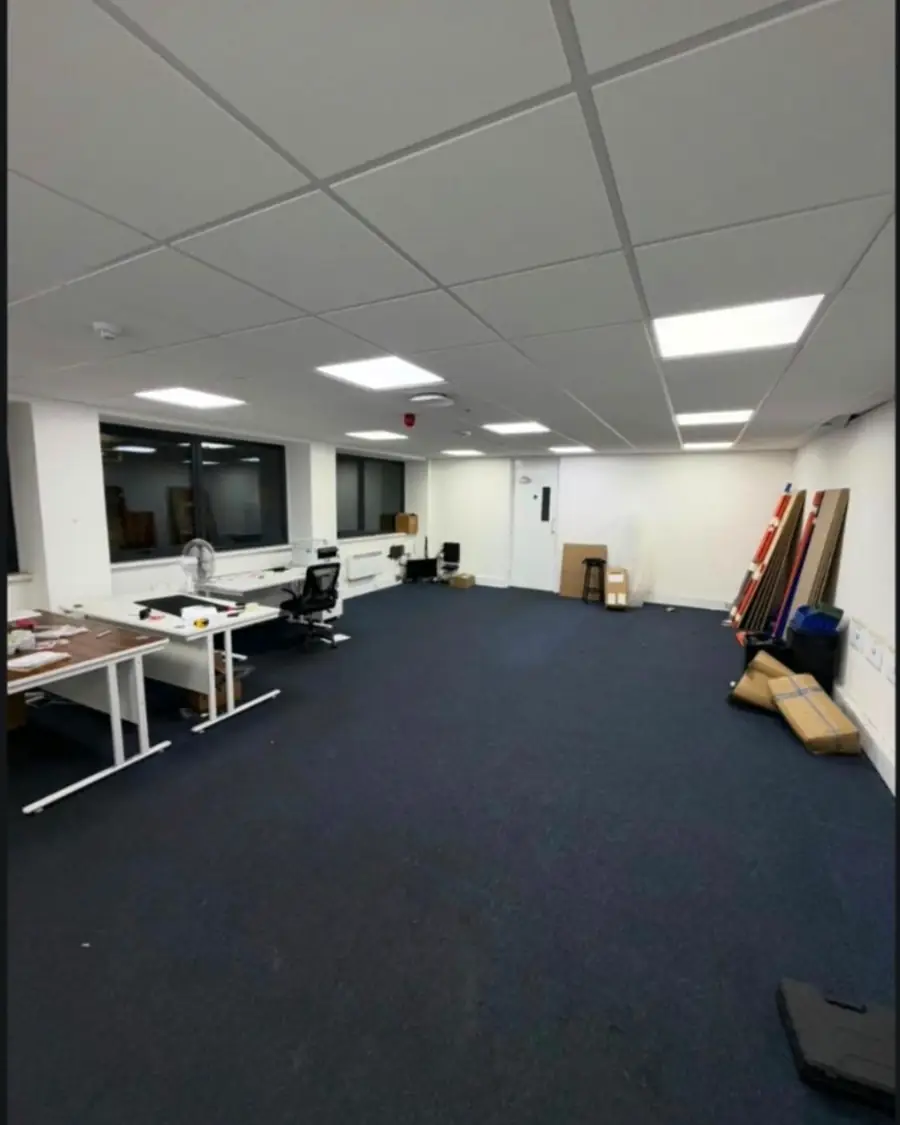
An office in one go
An office clearance is the commercial waste most people need shifting at once: the desks, the chairs, the screens, the cabinets and the boxes, carried out, loaded and gone, with the floor left clear for the next tenant or the landlord's inspection. Send a photo on WhatsApp to 07523 280964 of each room, or ask for a visit, and the price comes back in writing before anything is booked. The rest of what we do for businesses is on our office clearance page.